kiruba-1

I’m a Social Media Entrepreneur, Professor of Digital Marketing, Author of 7 books, Podcaster and an Organic Farmer.

kiruba-1

My Personal New Year Resolutions for 2026

Here are personal resolutions—the kind that don’t impress anyone on Instagram but genuinely change how I live, think, and feel.

If 2026 had one theme for me, it would be this: show up better—for myself and for others.


1. Get Fit. Really Fit.

This is the heaviest I’ve ever been in my life.

  • Current weight: 92 kg
  • Target weight: 77 kg

That number isn’t about vanity. It’s about energy. Longevity. Self-respect.

In 2026, my focus is:

  • Strength training (not just cardio)
  • Long walks—especially while listening to podcasts
  • Building a body that can keep up with the life I want to live


2. Learn Swimming (No More Excuses)

This one is personal. And honestly, a little embarrassing.

I have a beautiful, large pond at Vaksana Farms—and yet, I can’t swim confidently. Guests assume I can. I should be able to. But the truth is, I still depend on floaters and life jackets.

Not anymore.

  • I’ve paid for swimming lessons
  • The pool is close to my Chennai residence
  • This time, I’m fully committed

2026 is the year I stop standing at the edge and finally enter the water with confidence.


3. Master Video Editing (Graduate from Mobile to Pro)

I love VN Editor. It’s been my faithful companion on the phone.

But it’s time to level up.

  • New MacBook Air: Bought ✅
  • DaVinci Resolve downloaded: ✅
  • Enrolled in a 3-month professional course: ✅

I want to:

  • Edit faster
  • Edit cleaner
  • Tell stories better through video

This isn’t about becoming a “techie.”
It’s about respecting my stories enough to present them well.


4. Master NotebookLM

I’ve been hearing incredible things about NotebookLM—especially for:

  • Podcast research
  • Long-form blogging
  • Making sense of scattered ideas

Given how much I love podcasting, writing, and thinking aloud, this tool feels like a natural extension of my brain.

In 2026, I want to use AI as a thinking partner, not just a productivity hack.


5. Rebuild My Personal Brand (Slowly, Authentically)

I want to show up more consistently on:

  • My blog
  • Instagram
  • YouTube
  • LinkedIn

Not with noise. Not with pressure.
But with clarity and honesty.

Sharing:

  • What I’m learning
  • What I’m struggling with
  • What I’m observing

Less “content.”
More context.


6. Journal Every Day (Beyond Events, Into Emotions)

This is one of the most important resolutions.

I don’t want journaling to be a log of what happened.
I want it to be a space where I process:

  • Emotions
  • Confusions
  • Inner conflicts
  • Moments of clarity

Writing to understand myself better, not to sound wise.

If my mind is messy, my life reflects it.
Journaling is how I clean up gently—one page at a time.


7. Appreciate People More (Genuinely)

The world doesn’t need more criticism.
It desperately needs sincere appreciation.

In 2026, I want to:

  • Compliment people when it’s truly deserved
  • Say thank you and mean it
  • Acknowledge effort, not just outcomes

Not flattery.
Not politeness.

Just kindness, consciously practiced.


Closing Thought

These resolutions won’t make headlines.
They won’t go viral.

But if I stay true to them, they’ll quietly change:

  • How I feel in my body
  • How I think
  • How I treat others
  • How I show up in the world

And honestly, that feels like the best way to begin 2026.
Read More

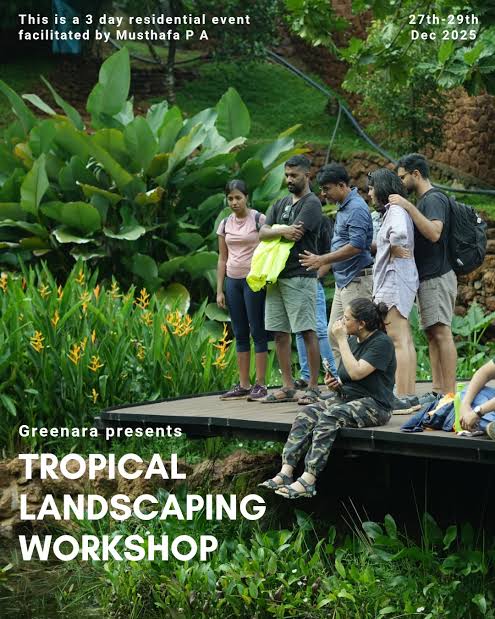
Lessons from Day 2 of Tropical Landscaping Workshop at GreenAra

Here are my lessons and observation from Day 2 of the workshop on Tropical Landscaping. I would encourage you to look at my lessons learned from Day 1 of the workshop.

Passion Over Perfection: You Don’t Need to Be an Expert to Begin

When Fayaz, a fellow participant, asked Musthafa, the founder of GreenAra, whether one should hire a professional landscaper or do everything on their own, Musthafa’s response was liberating. He compared it to an Audi car—some admire the advanced engineering and features, while others simply enjoy the drive. You don’t need to understand every technical detail to enjoy or build something meaningful. Passion, curiosity, and commitment matter more than formal expertise. Personally, I believe in a hybrid approach—doing a lot myself while taking professional help where it truly adds value.


The Real Joy Lies in the Journey, Not Just the Outcome

Building a farm is not a checklist project; it’s a long, evolving relationship. The real joy is not in “finishing” the farm but in figuring things out along the way—experimenting, failing, correcting, and learning. This mindset removes pressure and replaces it with playfulness and patience, which are essential when working with nature.


A Dream Farm Without Profit Is a Passion Drain

When I asked participants about their dream farms, most spoke about beauty, animals, water bodies, and self-grown food. Only one mentioned profitability. While these dreams are beautiful, ignoring revenue can slowly turn a dream into a financial burden. Without sustainable income streams aligned with one’s passion and skills, a farm can drain not just money, but enthusiasm. This is why profitability is a core focus of my two-day residential workshop, Build Your PROFITABLE Dream Farm, at Vaksana Farms.


Design Local, Live Modern

Architect Tony Joseph spoke about the importance of drawing from local architectural wisdom while thoughtfully integrating modern necessities. Local materials, climate-sensitive design, and traditional forms are inherently sustainable and timeless. This lesson strongly resonates with my plans for future farmhouses at Vaksana Farms—buildings that feel rooted, relevant, and resilient.


Niche Focus Is What Builds Strong Brands

GreenAra Life does not try to be everything. It focuses purely on tropical landscaping—not architecture, not multiple styles. This clarity has allowed their professional practice to grow directly from deep passion. It reinforced an important lesson: sticking to your niche and playing to your strengths creates stronger identity, better mastery, and long-term impact.


Rapid Implementation Beats Endless Ideation

I’ve been contemplating a talk series around farm life called Vaksana Vox. Coincidentally, seeing GreenAra’s Green Grid talk series drove home a powerful lesson—don’t overthink. Execute fast. Ideas gain value only when they are tested in the real world. Momentum often matters more than perfection.


The Power of Waking Up with the Sun

Faisal Kottikollon of Tulah Wellness spoke about waking up at 5 AM and aligning life with the energy of sunrise and sunset. There’s a quiet strength in early mornings—the clarity, stillness, and rhythm they bring. On a farm, this alignment with nature feels even more powerful and grounding.


When Passion Learns to Pay Its Own Bills

GreenAra began as a labour of love, but credit must go to Haneena for helping turn that passion into a sustainable livelihood. By identifying revenue models, GreenAra now supports full-time people who make the space and experience even richer. This transition—from passion project to self-sustaining ecosystem—is crucial for long-term success.


Mist Systems: Beauty That Builds a Micro-Climate

The mist system at Tulah Wellness was both aesthetic and functional. Visually, it creates a dreamy, almost ethereal atmosphere. Ecologically, it helps form a micro-climate that supports tropical plants. This reinforced how good landscape design can be beautiful and biologically intelligent at the same time.


Land Is Finite—Buy the Neighbouring Plot When You Can

Musthafa shared that he initially bought four acres and later acquired four more at double the price. The lesson is clear: if you have the opportunity to buy neighbouring land, don’t postpone it. Land doesn’t get cheaper, and expansion later often costs significantly more—financially and emotionally.


Continuous Learning Accelerates Farm Progress

This was my second time attending the Tropical Landscaping Workshop—the first was in September 2023. Surprisingly, nearly 80% of what I learned this time was new. Every edition injects fresh energy, ideas, and urgency to implement. Continuous learning doesn’t just add knowledge—it speeds up progress.


Right People Matter as Much as the Right Plants

One of the biggest benefits of such workshops is the people you meet. The first edition had more architects; this one had more farm owners. Being surrounded by like-minded people who understand the struggles, joys, and uncertainties of farm life creates a powerful support system where learning flows both ways.


Sensory Plants Transform Landscapes into Experiences

Plants like touch-me-nots, princess vine, and tattoo fern don’t just add visual beauty—they invite interaction. Touch, texture, and movement elevate a space from being seen to being felt. Tropical landscapes are sensory experiences, not just visual compositions.


Post Experiences Where They Truly Belong

Shihab Kunhahammed pointed out that I was sharing my GreenAra workshop experience on the Vaksana Farms Instagram page, which could confuse the audience. Since it was my personal learning journey, it belonged on my personal account. This simple but sharp feedback helped me realign my content strategy.


Boulders, Ferns & Water Plants Create Tropical Drama

The use of boulders around ponds, paired with ferns and water-loving tropical plants, creates a raw, immersive tropical aesthetic. While sourcing boulders in Tamil Nadu is difficult and expensive compared to Kerala, the takeaway is patience—collecting them slowly and intentionally over time.


Stories Preserve Legacy Better Than Structures

Haneena’s documentary And I Call Him My Father deeply moved me. It captured not just the making of GreenAra, but the emotional journey behind how her father created it. It reminded me that stories preserve legacy far better than physical structures. I feel inspired to create a similar transformation film for Vaksana Farms—an ode to Lakshmi Paati, Kasthuri Amma, and Sivaraman Appa.


Bamboo: The Backbone of Tropical Aesthetics

Bamboo adds instant tropical character—height, movement, sound, and texture. Sourcing diverse bamboo varieties from places like the KFRI Bamboo Nursery is essential, especially when local options are limited. Bamboo is not just a plant; it’s a design element.


Become a Collector, Not Just a Grower

Shihab’s advice struck a chord—be a collector of tropical plants. Make a list, build the collection slowly, learn propagation, and let the farm evolve organically. This mindset turns landscaping into a lifelong, joyful pursuit rather than a one-time project.


Ending Day 2 Inspired and Hungry for Day 3

Day 2 ended with physical tiredness but mental excitement. The lessons weren’t just about plants or design—they were about mindset, pace, people, and purpose. I’m genuinely excited to see what Day 3 unfolds.


Read More

Lessons from Day 1 at the Tropical Landscaping Workshop, GreenAra

This is my second time attending the Tropical Landscaping Workshop at GreenAra, Kozhikode.

But this time, my intention is very clear.

I am here to observe deeply, decide quickly, and implement obsessively at Vaksana Farms, our 13-acre organic permaculture farm.

No hoarding ideas.

No “we’ll do this someday.”

Only rapid action, real soil, and visible transformation.


1. Vertical Walls for Outdoor Bathrooms – Priority #1

One of the strongest takeaways from Day 1 was the lightweight vertical garden soil mix:

Perlite

Vermiculite

Organic matter

This combination is perfect for vertical walls—light, airy, moisture-friendly, and ideal for tropical plants.

Immediate action:

We will implement vertical green walls in our outdoor bathrooms at Vaksana Farms.

Bathrooms are intimate, sensory spaces—and greenery here will elevate the entire experience.

This goes straight into the “implement first, refine later” list.


2. Enhancing My Own Workshop: Build Your Profitable Dream Farm (9th Edition)

Among all the events I host at Vaksana, this is my most popular one.

Many of the participants at the workshop have farms and they are all eager to make it their own tropical paradise. But I noticed not many spoke about the profitability of their ventures. Dream farms have a penchant for listening to your heart. But it’s important to give space for the head too. To think deeply about profitability formulation long term viability of the dream.

My upcoming 9th edition of “Build Your Profitable Dream Farm” (Jan 27 & 28, 2026) does that. Now, am convinced even more to focus on various business models that aligns with one’s values.

This will be the best edition yet, shaped by lived experiences and lessons from my ‘100 FARMS IN 100 WEEKS’


3. Ponds That Feel Like the Tropics

Our ponds are functional—but they can be emotionally powerful.

Key learning:

Plant water-loving tropical plants along pond banks to create depth, softness, and immersion.

The goal is simple:

> When someone walks near the pond, they must feel like they’re inside a tropical forest.


4. Falling in Love with Princess Vine

Some plants don’t just look good—they invite touch.

Princess vine does exactly that.

Plan:

Train Princess vine at the entrance of our Events Hall

Let it flow over the pergola spaces

It adds a sensory layer that guests will instinctively interact with—without signage, without instruction.


5. Torch Ginger: Grow Them in Abundance

Torch Ginger has completely won me over.

Lush green foliage

Striking, dramatic flowers

Strong tropical identity

Decision:

We will grow lots of Torch Ginger—not as accents, but as a defining visual language across the farm.


6. Heliconias and More Heliconias

No tropical landscape feels complete without Heliconias.

Different shapes.

Different colours.

Different heights.

Action:

Source and grow multiple varieties, not just one token plant.


7. Food Experience Matters as Much as Plants

Another subtle but powerful insight:

Food presentation is landscape too.

Serving food in:

Earthen pots

Bamboo woven baskets

adds a deep rural authenticity that no fancy crockery can replicate.

This will become part of how food is served during retreats and workshops at Vaksana Farms.


8. Bamboo Sourcing: KFRI & Uravu

Next steps include intentional sourcing.

I plan to visit:

Kerala Forest Research Institute (KFRI)

Uravu Bamboo Nursery

The aim is to:

Explore different bamboo species

Understand growth patterns

Use bamboo structurally and aesthetically across the farm.


9. A 10-Day Kerala Road Trip (Learning Mode ON)

One of my personal goals:

> A slow, intentional 10-day road trip across Kerala to feature amazing farms for my 100 Farms in 100 Weeks

Purpose:

Visit interesting farms

Explore outdoor cafés

Observe innovation in small details

I want to ask people, make lists, meet farmers, and absorb ideas—then come back and implement quickly, without overthinking.


10. Back to Bali: Two Weeks of Field Learning

Kerala inspires.

But Bali executes tropical landscaping like no other place.

A two-week field visit to Bali is on the cards—with one focus only:

Rapid experimentation and implementation.

Not tourism.

Not inspiration boards.

Only field notes, sketches, and actionable ideas.


11. Becoming a Fern Grower (At Scale)

Ferns are the soul of tropical landscapes.

Decision:

I want to become a massive grower of ferns, with special focus on propagation.

Ferns give:

Softness

Layers

Shade-friendly greenery

They will be everywhere—walls, under trees, shaded paths.


12. SEVA: Volunteer Living Reimagined

Inspired by GreenAra’s volunteer spaces, we will begin work on SEVA—our volunteer accommodation.

Vision:

Hostel-style bunk beds (but spacious)

Thoughtfully designed

Strong sense of community

Plus:

A beautiful outdoor social space

A natural bio-pool for cooling down and conversations

SEVA is not accommodation.

It’s a culture-building space.


13. Flexible Alfresco Dining (Design Detail That Matters)

Instead of one massive outdoor table:

We’ll use smaller tables that can be combined.

Why?

Flexible layouts

Intimate dining or large social gatherings

Easier movement and adaptability

Sometimes, good design is simply about not locking yourself into one format.


14. Marketing the Right Way: A Conversation with Hannena

One final but important action item:

I want to sit down with Hannena (Musthafa’s daughter) and have a focused discussion on:

Attracting passionate participants

Communicating depth, not discounts

Building a tribe around retreats, not just filling seats

Marketing must reflect intentionality, not noise.


Closing Thought

Day 1 at GreenAra reminded me of something vital:

> A beautiful farm is not built by grand plans—

but by hundreds of small, well-executed decisions made consistently.

This time, I’m not here just to learn.

I’m here to build, experiment, fail fast, grow wildly—and enjoy every step of the process.

Read More

Preparing for the Tropical Landscaping Workshop

As I prepare to attend the tropical landscaping workshop at GreenAra in Kozhikode, I find myself pausing—not to plan logistics, but to set intentions.

This isn’t just another workshop on my calendar. It feels like a timely checkpoint at the very end of 2025, gently nudging me to reflect, reset, and dream a little bigger for what lies ahead.


Gratitude, Groundedness, and a Quiet Reality Check

Our farm, Vaksana Farms, was recently rated India’s Best Farmstay for 2025 by Outlook Traveller. While that recognition fills me with gratitude, it also brings a deep sense of humility.

Because honestly, when I walk through the farm, I don’t see “the best.”

I see possibility.

I see corners that can be softened, pathways that can tell better stories, trees that can be framed more thoughtfully, and landscapes that can evoke deeper emotion. Awards are affirmations—but they are never destinations.


Attending With a Beginner’s Mind (Again)

This is the second time I’m attending this workshop.

The first was in September 2023—full of excitement, inspiration, and scribbled notes.

This time, I’m returning with something more valuable than excitement: clarity.

I’m not a landscape artist.

But I am a curator of experiences.

My intention this time is not to learn how to design landscapes myself, but to understand landscapes deeply enough to:

Ask better questions

Give clearer inputs

Collaborate more meaningfully with professional landscape designers

Better inputs lead to better outputs. And that’s the gap I want to bridge.


Looking Closely at the “Small Things”

Tropical landscaping, at its best, is not loud.

It’s subtle. Layered. Intentional.

Through this workshop, I want to train my eye to notice:

Micro-details that quietly elevate a space

Innovative yet practical tropical design elements

How light, shade, texture, and movement work together

Ways nature can guide people emotionally through a space

I want to see better—because better seeing leads to better creating.


2026: Bigger Dreams, Deeper Roots

The year 2026 holds ambitious plans for Vaksana Farms—new projects, new spaces, and new experiences. This workshop feels like the right foundation stone for all of that.

One of my long-term intentions is bold and deeply personal:

To shape the farm so beautifully that it becomes a case study in tropical landscape design

To see it featured in YouTube walkthroughs, architecture journals, and landscape magazines

To eventually host tropical landscape design workshops as part of the growing bouquet of retreats and learning experiences at Vaksana Farms

Learning first. Hosting later. That order matters to me.


From Inspiration to Action

If there’s one clear intention I’m carrying into this workshop, it’s this:

> Inspiration is useless unless it turns into action.

This time, I’m attending with focus.

With questions.

With a notebook meant not just for ideas—but for execution plans.

I want what I learn here to visibly reflect on the farm in the months to come.


Ending 2025 With Purpose, Entering 2026 With Energy

There’s something poetic about attending this workshop at the tail end of 2025. It feels like a closing ritual—and an opening one.

I’m walking in grateful, grounded, curious, and incredibly motivated.

Here’s to learning again.

Seeing deeper.

And creating landscapes that don’t just look beautiful—but feel right.

Super excited for what’s ahead

Read More

The Quiet Power of Writing Down My Emotions

Over the past few weeks, I’ve picked up a small habit that has made a surprisingly deep impact on my everyday life. It’s simple, almost unassuming—but powerful. I’ve started writing down my emotions.

Not journaling about events. Not documenting my day as I do on this blog. Just sitting down and writing what I feel.

What I’ve realised is this: emotions lose their chaos when they meet clarity. And clarity often comes through writing.

From Emotional Turbulence to Calm Awareness

Earlier, when someone’s words or actions triggered me, my default response was to sit with it. Brood over it. Replay the scene again and again in my head. Get stuck at victimhood. The mind, when left unchecked, is very good at amplifying pain.

Now, I do something different.

I write.

I ask myself simple but honest questions:

  • Why am I feeling this way?
  • What exactly triggered this emotion?
  • Is it about what the other person said—or what it touched within me?
  • Can I look at this from their point of view?
  • Is there something I could have done differently?
  • What is this situation trying to teach me?

The moment these questions hit paper, something magical happens. The emotion slows down. The intensity reduces. What felt overwhelming suddenly feels… manageable.

Writing doesn’t judge. It listens. And in that space, the mind starts to calm itself.


Writing My Way Through Confusion

This habit has helped me immensely during moments of indecision too.

Whenever I find myself at a crossroads—unable to take a call, mentally rattled, pulled in different directions—I resist the urge to keep thinking in circles. Instead, I write.

I write down:

  • Where the confusion is coming from
  • The options available
  • The pros and cons of each choice
  • What excites me
  • What scares me

Putting thoughts on paper removes distractions. It clears the mental fog. And almost every single time, somewhere between the lines, a solution quietly reveals itself. Not forced. Not dramatic. Just… obvious.


Capturing Joy, Not Just Pain

What surprised me the most was how powerful this practice is even during moments of happiness.

When I feel joyful, excited, or deeply content, I now make it a point to write that down too.

  • What made me feel this way?
  • What did I do?
  • Who was involved?
  • What conditions enabled this feeling?

By doing this, I become more aware of my joy. And awareness is the first step to repetition. When we recognise what truly makes us happy, we can consciously create more of it. Slowly, a positive pattern begins to form.


A Habit Worth Cultivating

Writing down emotions is not about fixing yourself. It’s about understanding yourself.

I’m genuinely grateful to Arun Verma, the founder of Creativegarh from whom I’ve picked up this habit. It has helped me respond instead of react, observe instead of judge, and understand instead of suppress.

If you’re feeling overwhelmed, confused, triggered, or even extremely happy—try writing it down.

Not for anyone else. Just for you.


Read More

Announcing Creator’s Farm — India’s First Residential Unconference for Digital Creators!

We are thrilled to unveil Creators’ Farm, a brand-new experiential retreat launching at the award-winning Vaksana Farms — a 13-acre organic permaculture farm nestled in the lush countryside of Tamil Nadu.

Creator’s Farm isn’t your typical workshop or online class — it’s a participant-driven unconference designed for creators, by creators. Here, under the shade of mango trees and amidst open fields, creators of all kinds come together to exchange ideas, share insight, and grow their craft in a truly immersive environment.

🧠 What Makes Creator’s Farm Unique

Learn from Peers, Not Just Experts: Everyone contributes — sharing real stories, workflows, strategies, wins, and setbacks. It’s learning born from lived experience.

You Become the Speaker: Like a TEDx format without the pressure — there’s no stage, just heartfelt conversations that inspire and uplift.

Get Featured on The Vaksana Podcast: Every participant receives an interview that’ll be published on YouTube, giving you visibility and a chance to connect with audiences beyond the retreat.

A Tight-Knit Community: With just 12 creators per edition, this is a place to make meaningful connections that last well after the retreat ends.

🎨 Who Should Attend?

Whether you’re an Instagrammer, YouTuber, blogger, podcaster, video editor, vlogger, or storyteller, if you’re passionate about helping your voice evolve and growing alongside like-minded makers, this retreat is for you.

🌿 Life on the Farm

Your ticket includes not just the sessions and podcast interview — it covers your stay, meals, and full farm experience:
✨ Swimming in a natural pond
✨ Feeding friendly animals
✨ Morning walks in organic fields
✨ Slow, meaningful conversations under starry skies
✨ Deep reflection time away from the constant buzz of screens and notifications
All designed to recharge your creativity and sharpen your focus.

📅 Quarterly Editions in 2026

Creator’s Farm will be held quarterly, giving you multiple chances to join:
📅 January 4
📅 April 12
📅 July 12
📅 October 11
Limited to just 12 creators per session — apply early!

💡 How to Join?

You can join either by invitation (free, curated spots) or by purchasing a ticket (₹37,500 + taxes) which includes accommodation, meals, activities, and full retreat access.

Apply now and be part of India’s only truly collaborative creator retreat.


Read More

What I Learned from Arun Verma About Crafting Truly Great Retreats

On my mission to slowly shape Vaksana Farms into a soulful, world-class venue for retreats, I’ve been doing something that has become surprisingly meaningful—travelling to different retreats, observing how they’re run, and picking the brains of people who’ve mastered the art.

Yesterday, I met Arun Verma, the founder of Creativegarh, someone who not only designs deeply immersive life transformation retreats but also repeats them successfully across India every month. I asked him a simple question:

“What does it really take to create a great retreat?”

His answers were thoughtful, practical, and rooted in years of hands-on experience. I’m documenting them here—not just for memory, but as guiding principles for the retreats we want to host at Vaksana Farms.


1. The Venue Is the “Third Facilitator”

Arun began with something profound:

Participants choose a retreat not just for the coach or the curriculum—they choose it because of how the place makes them feel. The land, the ambience, the warmth, the energy… it all adds up. Choose a venue with such care and intent the way we would choose a co-facilitator.

This resonated with me deeply because Vaksana has always had a natural charm—the stillness of the mornings, the gentle hum of the animals, the verdant greenery. Hearing this reinforced my belief that nurturing the spirit of the space is as important as designing the retreat content itself.


2. Keep Sessions Indoors to Maintain Energetic Intensity

Arun strongly recommended keeping all sessions indoors.

Closed spaces help “hold the energy” and allow participants to drop deeper into the experience.

This insight will heavily influence the design of our upcoming event hall—warm lighting, comfortable seating, and a cocoon-like feeling where people feel safe to reflect, open up, and share.


3. Separate the Session Room and Dining Area

A simple but powerful learning:

Never conduct sessions in the same place where food is served.

The clinking of utensils, footsteps, kitchen movements—these distractions break the flow instantly. Good retreats are built on uninterrupted focus, and this is a detail we must design for at Vaksana.


4. Plan Retreats Well in Advance

Arun publishes dates for upcoming editions six months ahead. This gives participants time to plan, facilitators time to prepare, and the retreat itself time to gather momentum.

I realised this is something I need to implement—being intentional and proactive in publishing a retreat calendar for Vaksana. That’s a new year resolution for me right there.


5. Food Is Non-Negotiable

One thing Arun said with absolute conviction:

Never compromise on the quality of food.

Food sets the tone. It nurtures, energises, and comforts.

Thankfully, this is one area where Vaksana naturally excels.

With my Mom Kasthuri Amma’s legendary cooking—every meal becomes an experience of its own. Her farm-grown vegetables and soulful cooking are already a retreat highlight. CondeNast Traveller has rated Vaksana among India’s Top Farmstays for food.


6. The Sensory Touches Make a Huge Difference

Arun emphasized the subtle but powerful role of sensory elements:

Soft background music.

Gentle camphor aroma.

Warm lighting.

Small details that soothe, centre, and elevate the experience.

Retreats are not just about what you teach—they’re also about what participants repeatedly feel in the environment.


7. Comfortable Seating Matters More Than You Think

One of the most practical points Arun shared was about seating.

Provide comfortable chairs, cushions, and the option for participants to sit on the floor or sit up on chairs. People should have the freedom to shift postures throughout the day.

This flexibility not only prevents fatigue—it makes the venue feel intimate, cozy, and home-like. I instantly imagined Vaksana’s retreat hall filled with warm cushions and inviting seating options.


8. The Psychology of Pricing: Higher Price = Higher Commitment

This insight was a personal eye-opener.

Arun explained that a higher price actually attracts the right participants—the ones who value the experience, show up sincerely, and remain fully engaged.

When people pay more, they commit more.

I’ve always been hesitant, pricing conservatively out of fear that people may not join. But this made me rethink everything. Pricing is not just economics—it’s psychology. And it influences the whole atmosphere of the retreat.


9. Should All Retreats Be of One Theme? A Valuable Reflection

I shared a dilemma with Arun:

While he focuses only on Creativegarh, I run multiple types of retreats—Bucketlist Bootcamp, The Discomfort Project, Passion Pays, and Staypreneur for Airbnb hosts. Each one is close to my heart, but they are all different.

Arun gave me a brilliant example: The Himalayan Writing Retreat run by Chetan Mahajan.

Chetan offers various retreats—creative writing, poetry, storytelling, fiction, non-fiction—but they all sit beautifully under the umbrella of writing.

That gives coherence to his brand.

I know Chetan personally and been to his retreat venue in Sathkol. (A stunningly beautiful space).

This was a powerful nudge for me to think about how Vaksana’s future retreats can also fall under a unifying theme—still flexible, yet coherent. Something I need to reflect on deeply.


10. Recommendations for My Own Learning Journey

Arun also suggested exploring a retreat hosted by Ameen Haque, the storytelling monk and founder of Storywallahs. He’s conducting a storytelling retreat in January 2026—something I’m now seriously considering. Learning from masters is one of the best ways to shape Vaksana into the retreat space I envision.


Looking Ahead: Vaksana as a Haven for Deep Work and Transformation

Every conversation like this adds another piece to the puzzle.

Retreats are not just events—they’re experiences that change people. They require thoughtful design, patient planning, and a deep understanding of human emotions and group energy.

With Arun Verma’s insights, and with the unique magic that Vaksana already holds, I’m confident we are slowly but surely building something meaningful—a place

where people come to reflect, learn, grow, and reconnect with themselves.

And this journey is just beginning.


Read More

My First Ever Encounter With the Neelakurinji Blossoms

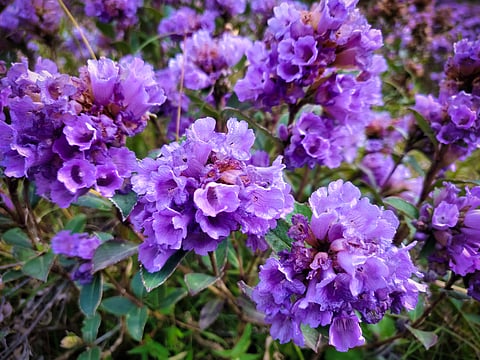
There are some moments in life that quietly take your breath away — today was one of them. I’m at Munnar right now, staying at the beautiful Neelakurinji Plantation Resort, and for the first time in my life, I actually saw the Neelakurinji plant and its flowers in person.

For years, Neelakurinji has been a textbook fact for me — “blooms once in 12 years,” the teachers said. It was one of those things I memorised for exams without ever imagining that I’d one day stand in front of the real thing. Later, social media made it look almost mythical with those blue carpets rolling across hill slopes. But nothing prepared me for the quiet thrill of seeing it with my own eyes.

A Flower That Teaches Patience

Neelakurinji (Strobilanthes kunthiana) is one of nature’s most disciplined timekeepers. It doesn’t care about human schedules, long weekends, or tourist seasons.
It blooms only once every 12 years, as if it wants to remind us that beauty is worth waiting for. The last bloom was in 2018, which means the next grand spectacle will only happen in 2030.

Standing here today, looking at a plant that has its own slow, deliberate rhythm, I was instantly humbled. How many things in life take 12 years to prepare for a moment of glory?

Why It’s Called “Neelakurinji”

The name is beautifully literal — ‘Neela’ meaning blue, and ‘kurinji’ referring to the hill region where it grows.
When thousands bloom together, the hillsides turn into a surreal bluish-purple carpet. That dramatic makeover is why Munnar becomes a pilgrimage spot for nature lovers during the blooming year.

A Plant That Exists Nowhere Else on Earth

One thing that surprised me was just how rare this little flower is.
Neelakurinji is endemic to the Western Ghats — meaning it grows only here and nowhere else in the world. These hills are its home, its birthplace, and its entire universe.

Seeing it today made me feel strangely protective, as if I was meeting a vulnerable species that thrives only in pockets of untouched wilderness.

A Bloom That Even Shapes Human Life

The Kurinji bloom isn’t just a botanical event — it has even influenced culture.
The Paliyan tribal community used the blooming cycle to calculate age. Instead of saying “I’m 24 years old,” they would say, “I’ve seen two kurinji blooms.” What a poetic way to measure life — imagine marking time in flowers instead of numbers.

Not Just a Pretty Flower

Here’s what I didn’t know until today:

Neelakurinji flowers are incredibly important for hill ecology.

They provide food for bees and help sustain honey production in the region.

After blooming, the plant dies, but new ones regenerate from seeds — continuing the 12-year cycle.

It’s almost like a festival of regeneration.

Nothing Like Seeing It in Person

I realised something today — reading about Neelakurinji is one thing, but seeing the plant up close in Munnar’s cool air, with the mountains rising around me, is entirely different.

Even though it’s not a mass-bloom year right now, just seeing the plant, touching the leaves, and knowing what it’s capable of every 12 years made the experience incredibly meaningful. It felt like meeting a celebrity — but a gentle, quiet one who doesn’t care for the spotlight except once every decade or so.

As I stood there, I felt grateful. Grateful that nature still has secrets. Grateful that patience is still rewarded. And grateful that I got to witness, even in its resting phase, a flower that has fascinated humans for centuries.

I’m already making a mental note: 2030 — return to Munnar.
Some dates are worth blocking years in advance.


Read More

Whistling Schoolboy: A Fascinating Bird in Munnar

One of the unexpected joys of staying here at the Neelakurinji Plantation Resort, tucked away an hour from Munnar, has been waking up to the sound of the Whistling Schoolboy. Every single morning—right at the crack of dawn—this little fellow takes it upon himself to be my personal alarm clock. And honestly? I don’t mind one bit.

There’s something magical about being in the middle of a remote plantation, wrapped in mist, with the air still cold enough to bite… and then suddenly hearing this clear, flute-like whistle echo through the valley. It’s almost as if the hills themselves are singing awake.

Over the last couple of days, curiosity got the better of me, and I started reading up about this charming bird. And wow—there’s so much more to it than just a sweet morning tune.

Who Exactly Is the Whistling Schoolboy?

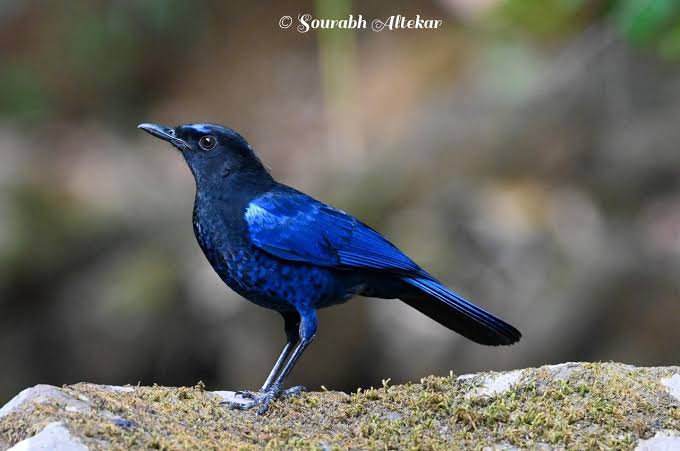
Its real name is the Malabar Whistling Thrush, but the nickname Whistling Schoolboy comes from its uncanny ability to whistle in perfect, human-like notes. If you didn’t know better, you’d swear a person is warming up for choir practice somewhere in the forest.

Sometimes it whistles a single, long note. Sometimes it breaks into a series of short, playful tunes. And sometimes… it sounds like it’s calling your name. (True story: this morning, it genuinely sounded like it said “Kiruuuba!” Maybe the hills are teasing me!)

A Bird That Prefers to Be Heard, Not Seen

These birds are notoriously shy. You’ll hear them long before you catch a glimpse—and even then, spotting one is like winning a quiet little lottery. They prefer shady ravines, dense forests, and moist hillsides, which makes this mountain retreat the perfect hangout spot for them.

I’ve tried stepping out slowly with my camera, hoping to catch one in the open. No luck yet. They’re the introverts of the bird world.

Their Gorgeous Looks (If You Ever Manage to See One!)

If you do manage to spot one, you’re in for a treat. The Whistling Schoolboy has:

A deep, glossy blue-black plumage

Brilliant electric-blue shoulder patches

A confident, slightly mischievous look

They look like they’re dressed for an evening concert—even though their performance happens at sunrise.

Why They Whistle at Dawn

Apparently, early mornings are their favourite time to sing because the cool, still air helps their calls travel far across the valleys. Also, dawn is when they’re most territorial. So they whistle loudly as if saying, “Good morning, world. This hillside is mine.”

Honestly, I wish more creatures declared territory this musically!

A Fun Fact That Made Me Smile

These birds don’t just sing—they compose. Each individual has its own unique tune. So the schoolboy who woke me up today may be a completely different musician from the one who woke me up yesterday. A rotating choir of forest talent!

The Best Part of My Mornings Here

There’s something profoundly grounding about waking up to a sound that is so natural, so sweet, and so rooted in this land. No phone alarms. No traffic. No human hurry.

Just a bird with a melody and a forest echoing it back.

Read More

Morning Pages: Pursuing This New Habit


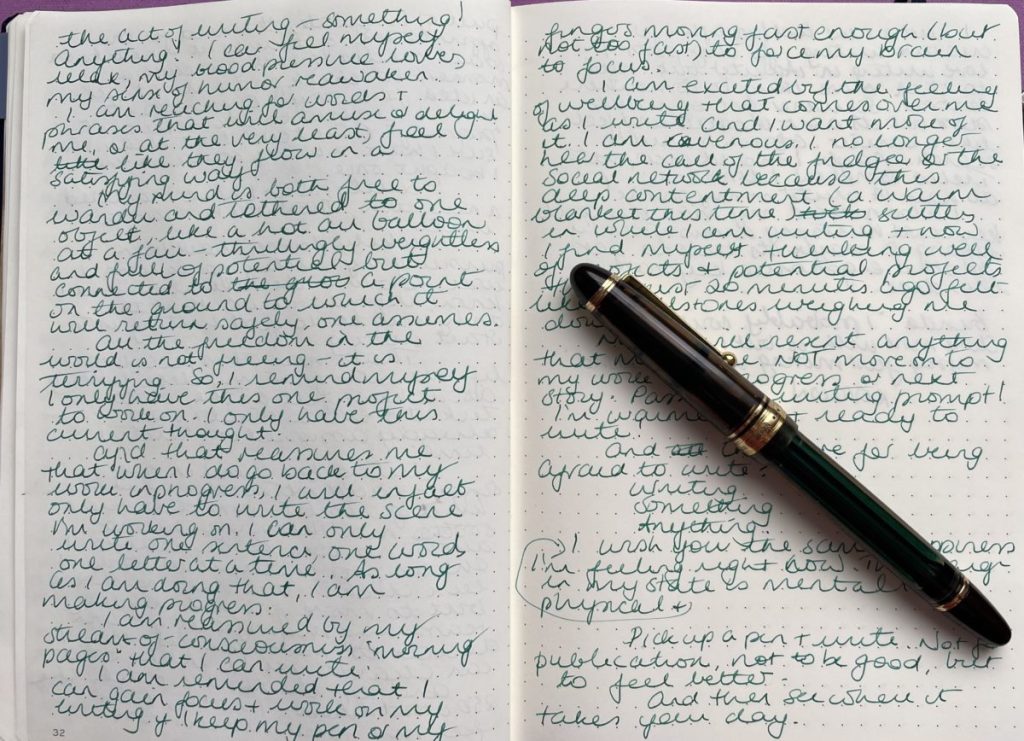
For years, I’ve heard people rave about the power of Morning Pages—that simple act of sitting down the moment you wake up and writing a few pages longhand. No rules. No expectations. Just your mind on paper.

Recently, Arun Verma, the founder of Creativegarh, someone I respect, nudged the participants at the life transformation retreat: “Start writing Morning Pages. It will declutter your mind and sharpen your focus.”
So here I am, a complete beginner, finally deciding to give this habit a genuine shot. And this blog post is both my commitment to myself and a guide for anyone else curious about starting.


Why Morning Pages?

I’m beginning this habit for a very simple reason: my mind is too full. Ideas, tasks, plans, worries — all jostling for space. Morning Pages promise a mental dusting. A way to empty out the clutter before the day even begins.

Many creators, entrepreneurs, and writers swear by it, and I’m hoping to tap into the same clarity.


How I’m Getting Started (Beginner Mindset)

Since I’m totally new to the practice, here are the best practices I’ve learned from others and decided to adopt:

1. Write the moment I wake up

Not after checking emails.
Not after scrolling Instagram.
Not after coffee.

Just wake up → pick up a pen → start writing.
Apparently, the groggy mind is honest, unfiltered, and raw — perfect for Morning Pages.

2. Three pages, longhand

Almost everyone recommends writing three full pages. Not typing. Writing by hand.
There’s something about the physical act that slows the mind and brings hidden thoughts to the surface.

3. Zero editing, zero judging

This is the hardest part for me.
I tend to evaluate every sentence I write.
But Morning Pages are supposed to be messy. Chaotic. Unpolished.
I’m training myself to simply let the hand move, even if what I write is absolute nonsense.

4. Keep a dedicated notebook

We were presented a simple long-size notebook only for Morning Pages.
This way, I don’t flip into to-do lists or meeting notes and get distracted.
When I pick it up, my brain knows: “This is the space where I can just be.”

5. Make it a ritual, not a task

I’m learning to treat it like brushing my teeth — automatic, non-negotiable, and part of my morning identity.
Some days the pages might flow. Other days they might grind. But the key is consistency.


What I Hope to Gain

While I’m just starting out, these are the benefits most Morning Pages practitioners talk about — and the ones I’m hoping will unfold in my life:

1. Mental clarity

I want that calm feeling of knowing I’ve emptied out all the noise.
If my brain feels lighter by 8 AM, that’s already a win.

2. Creative breakthroughs

People say surprising ideas show up when your guard is down.
I’m curious to see what thoughts will surface — ideas for talks, blog posts, farm projects, books… who knows?

3. Reduced stress

Writing out my worries might help me understand them better.
Sometimes, all a problem needs is to be seen on paper.

4. Better focus throughout the day

If Morning Pages help me start the day clean, maybe I can carry that sharpness into my work.

5. A deeper connection with myself

This is the part I’m most excited about.
Morning Pages are supposed to help you discover patterns, triggers, motivations, dreams — all the things we usually ignore in the rush of daily life.


What I’m Telling Myself as I Begin

I’m reminding myself of three simple truths:

1. It’s okay to be imperfect.
Morning Pages are not art. They’re honesty.

2. It’s okay to be inconsistent in the beginning.
Even if I miss a day, I’ll return the next morning.

3. This small habit might have a big impact.
Many people call it life-changing.
I’d love to experience even a fraction of that.


If You’re Starting Too…

Join me.
We can be beginners together.
All it takes is a notebook, a pen, and a willingness to sit with your own thoughts for a few minutes every morning.

My goal is simple: to show up on the page and see what unfolds.
If Morning Pages truly help transform my mind and my days, I’ll be sure to share the journey here on Kiruba.com.

Here’s to the first of many mornings.

Read More